
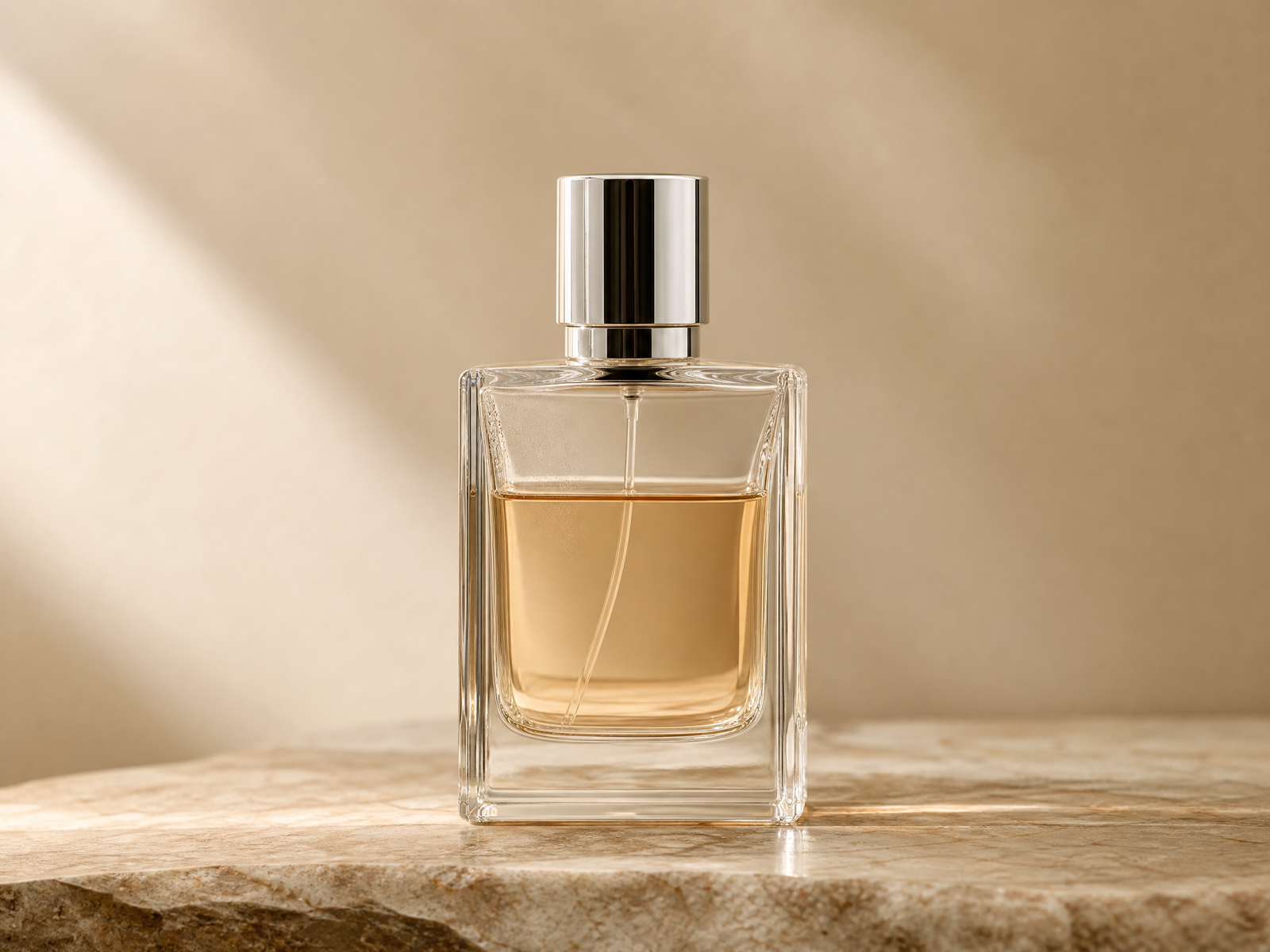
Parfum VI by Gianni Vive Sulman is an uncommon fragrance entry that attracts interest from people researching niche and vintage perfumes. Public fragrance references provide a limited set of details, including a reported release year, a perfumer attribution, and a short note list; they do not establish every aspect of the brand’s history or the condition of bottles now offered by resellers. That makes careful research especially important. This guide separates the information currently recorded from details that remain uncertain and explains how collectors can assess a bottle’s authenticity, storage history, scent condition, and asking price before buying.
Understanding Vintage Fragrance Performance
Vintage perfume can perform differently from a freshly produced fragrance. Storage temperature, light exposure, oxygen in the bottle, evaporation, and the condition of the atomizer may all affect the experience. A fragrance described as having above-average longevity in a database may not behave the same way in a bottle that has been stored poorly for decades. Ask for realistic information about fill level and condition and avoid treating a reviewer’s experience as a guaranteed result.
Authenticity and Provenance
When an item is difficult to find, sellers may use incomplete or inconsistent product names. Compare the exact brand spelling, flacon design, label, cap, packaging, and any batch information with reliable references. Request proof of purchase or a clear ownership history where possible. If a bottle is unusually inexpensive or the seller refuses detailed photographs, treat that as a reason to pause. No single detail—such as a box, sticker, or batch code—proves authenticity on its own.
Collector Value Versus Wearability
A collector may value an intact box, a rare bottle size, or a documented provenance, while someone who wants to wear the perfume may prioritize liquid condition and a working sprayer. Decide which purpose matters before you buy. If you intend to use the fragrance, ask about return terms if it arrives leaking or materially different from its description.
People searching for this topic need a clear explanation that separates verified information from assumptions. This guide focuses on practical details, gives readers a way to check claims, and explains the main decisions to make before taking action.
Background and Context
Start with the core facts and the terminology used by reliable sources. Different providers, products, locations, and circumstances can change the answer, so readers should compare like with like. A headline or short listing rarely contains enough information to support a final decision.
Practical Considerations
Consider the intended use, the condition or requirements involved, the total cost, and the consequences of making the wrong choice. Record the details that matter, ask direct questions, and keep the relevant documentation. When the decision involves health, law, finance, or safety, confirm current rules with an appropriate professional or official source.
Common Questions and Mistakes
Do not rely on a single informal comment when the official documentation is available. Check the date of the information, confirm exact model or product identifiers, and distinguish a general statement from a rule that applies to a specific person or situation. If a detail cannot be verified, treat it as unknown rather than filling the gap with a guess.
Making an Informed Decision
A useful comparison has consistent criteria. Check the same specifications, prices, terms, dates, or requirements for each option. Consider ongoing costs and practical constraints as well as the immediate benefit. Keep enough flexibility to change course if new verified information becomes available.
Readers should use this guide as a starting point and consult the linked primary references for updates. Details can change after publication, particularly pricing, availability, product support, operating hours, travel schedules, and government guidance.
Interpreting the Note List Carefully
Fragrance-note databases use concise labels to communicate an impression, not to publish a complete formula. A rose note may be a natural extract, a reconstructed accord, or one part of a larger floral effect. Jasmine can add creamy, green, or more animalic facets depending on the material and dosage. “Resins” is broad and does not identify a single ingredient. The listed notes for VI therefore provide a useful starting point for discussion, but not enough detail to make a precise claim about the scent’s opening, heart, or dry-down.
Why Vintage Perfume Needs a Condition Check
Perfume is a mixture of volatile materials, and its condition can change during long storage. Exposure to sunlight, repeated temperature changes, air in the bottle, and a poor seal can alter the scent. A collector should check the bottle for leakage, evaporation, sediment, discoloration, damaged sprayer parts, and signs of tampering. None of these signs alone proves that a fragrance is authentic or unusable. Ask for an honest description and photographs before purchasing.
Storage Advice for Collectors
Store fragrance in a cool, dry place away from direct sunlight and major temperature swings. Avoid keeping bottles in a bathroom where humidity and heat can fluctuate. Keep the cap secure and store the bottle upright unless its original design requires otherwise. Preserve the box and purchase record if provenance matters to you. If a bottle has a leak or a damaged atomizer, seek advice from a specialist rather than attempting an improvised repair.
Evaluating a Resale Listing
Read the listing title closely and compare it with the name printed on the bottle. Look for clear photographs of the front, back, base, sprayer, cap, and box. Ask whether the fill level is estimated or measured, and whether the bottle has been stored in a temperature-controlled area. Check the seller’s feedback and return policy. A seller who cannot answer basic questions may not be able to support a high-value collectible purchase.
Understanding Collector Pricing
Scarcity, condition, provenance, bottle size, and demand all affect resale value. An asking price is not proof of market value. Compare recent completed sales of the same fragrance and size, not unrelated products with similar names. Factor in shipping, insurance, customs where relevant, and the risk of leakage. If your purpose is to wear the fragrance, decide whether the price is reasonable for the condition rather than paying a premium solely because the listing uses words such as rare or discontinued.
How to Document a Collection
Collectors can maintain a record of the fragrance name, bottle size, batch details where present, purchase date, seller, price, condition, photographs, and storage location. This information can help with insurance, resale, and historical research. Keep receipts and any correspondence that supports the item’s origin. For a difficult-to-document fragrance such as VI, recording exactly what is known and where the information came from is better than repeating uncertain claims as fact.
Additional FAQs
Are the listed notes guaranteed to be the full composition?
No. The database record lists note references, not a complete ingredient disclosure or formula.
Can old perfume change color?
It can, but color alone does not establish whether a bottle is authentic or whether the scent has deteriorated. Consider storage, smell, appearance, and the seller’s condition disclosure together.
Should I open a sealed vintage bottle?
That depends on whether your priority is collecting or wearing it. Opening a sealed bottle can change its resale condition, so decide what matters most before breaking the seal.
How to Sample an Unfamiliar Fragrance
When a rare scent becomes available, begin with a small test rather than applying many sprays. Check for an unusual sour, musty, or solvent-like odor and stop if the product causes irritation. Give the fragrance time to develop, because the first impression may differ from the later scent. Test on a blotter first if you are unsure about skin sensitivity. Do not share a sample applicator in a way that risks contamination.
Comparing Community Reviews
Review sites can help identify how fragrance enthusiasts describe a scent, but comments are subjective. One person may experience a rose note as fresh and another as powdery. Reviewers may also sample different bottle ages or concentrations. Read several descriptions and note the reviewer’s date, sample source, and whether the comment relates to longevity, projection, or overall character. Treat recurring descriptions as clues rather than as proof of the formula.
Questions About the Name and Brand
Use the spelling printed on the bottle when searching and preserve accent marks where they appear in reliable records. Older niche products may be indexed under alternate spellings or translated names. Confirm that an online database entry refers to the same brand and exact fragrance, not merely a similar name. For historical or valuation purposes, seek archival catalogues, old advertisements, or documentation from a specialist.
Safe Handling and Shipping
Perfume contains alcohol and may be subject to carrier and shipping restrictions. Before buying internationally, check the seller’s shipping method and the carrier’s terms. Ask how the bottle will be protected from impact and leakage. On arrival, inspect the package promptly and document any damage. Follow local rules for storage and keep fragrances away from flames, heat sources, and young children.
When to Walk Away
Pause a purchase when the seller refuses photographs, cannot explain the bottle’s history, requests an unusual payment method, or pressures you to buy immediately. Be cautious of listings that promise impossible quantities of a reportedly discontinued perfume. A rare product is not worth a financial loss or a safety risk. A reputable seller should answer reasonable questions and describe the item’s condition honestly.
How to Preserve a Rare Bottle
Keep the bottle away from sunlight, windowsills, heaters, and locations where temperatures fluctuate. Avoid storing it in a damp bathroom or near a radiator. Store the box if it protects the bottle from light and helps preserve provenance. Check the cap and atomizer periodically for leaks, but do not repeatedly open a bottle just to inspect it. If you are storing the fragrance as a collectible, keep the purchase record and photographs with your collection notes.
Why a Sample May Not Match a Full Bottle
A decant or sample may have been stored differently from the original bottle. It may also have been exposed to more air or transferred into a different material. When comparing descriptions, ask whether the person tested an original bottle, a sample, or a reformulation. For a fragrance believed to be discontinued, the age and history of the sample are important context.
Researching an Unfamiliar Niche Brand
Search archives, specialist perfume databases, collector forums, and old retail catalogues, but record which claims come from which source. A database may supply a release year while a seller supplies a bottle size; neither necessarily confirms the official launch history. Avoid merging details from different products with similar names. A clear research note should distinguish verified label information, community-reported notes, and details that remain unknown.
Frequently Asked Questions
What is Parfum VI by Gianni Vive Sulman?
It is a niche fragrance discussed under the VI or Parfum VI name. Verify the exact name and product identity from the bottle, packaging, and reliable brand or specialist records.
Are the fragrance notes officially confirmed?
Not every online note listing is an official brand statement. Treat community descriptions and seller claims as reported information unless confirmed by dependable documentation.
Is Parfum VI discontinued?
Availability can be difficult to establish for niche fragrances. Check current brand information and established specialist retailers rather than relying on a single resale listing.
How can I check whether a bottle is authentic?
Compare packaging, label details, batch information, bottle construction, and seller history. Request clear photographs and proof of purchase where possible, and be cautious of unusually low prices.
How should a rare fragrance be stored?
Keep it tightly closed, away from direct sunlight, heat, and large temperature changes. Store it in a stable, cool location and avoid unnecessary exposure to air.
Conclusion
Parfum VI by Gianni Vive Sulman is best researched carefully because information about niche and potentially scarce fragrances can be incomplete or inconsistent. Confirm the exact product identity, distinguish verified details from community reports, and assess provenance before buying on the resale market. Careful storage and realistic expectations about condition are especially important for older fragrances.
