
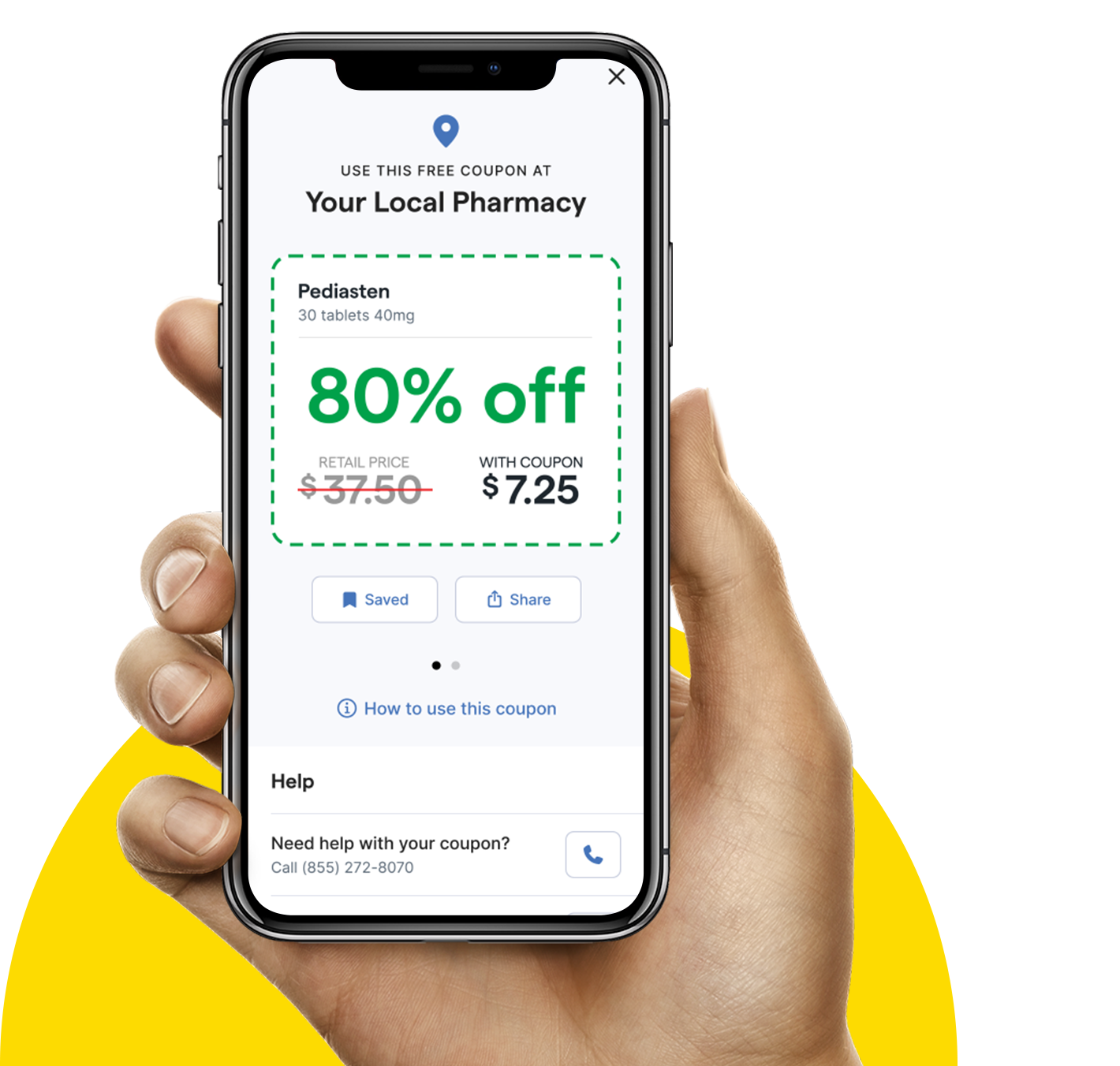
A prescription discount may sometimes show a lower price than the amount displayed under a person’s health plan, which is why patients ask whether GoodRx can be used with insurance. The important distinction is between comparing prices and combining payment methods: a GoodRx coupon is generally processed instead of insurance for the same prescription transaction. That choice can also affect whether the purchase appears in the plan’s deductible or out-of-pocket records. This guide explains how to compare the exact prescription price, what to ask the pharmacist and insurer, and why the lowest amount at the counter may not always be the best choice over the full plan year.
Insurance, Coupon Prices, and Plan Rules
Prescription coverage can vary by plan, pharmacy network, drug tier, and quantity. A plan may have a preferred generic tier, a specialty tier, prior authorization requirements, or a separate deductible for prescriptions. If the insurance price is high, ask whether a therapeutically appropriate alternative is covered. Do not switch medicines or doses based solely on a coupon result; discuss clinical alternatives with the prescriber.
Reimbursement Questions
Some GoodRx information notes that patients may ask their insurer whether a cash purchase can be reimbursed or considered under out-of-network rules. Policies vary, and reimbursement is not guaranteed. Ask the insurer before purchasing if reimbursement matters. Keep the receipt and the prescription details, and follow the plan’s claim submission requirements.
Keeping a Useful Prescription Cost Record
For ongoing medicines, keep a simple record of the pharmacy, quantity, date, insurance price, coupon price, and amount paid. Recheck prices when the prescription or plan changes. A price that was best last month may not be the lowest today. This helps you make an informed comparison while keeping the prescriber and pharmacist involved in medication decisions.
People searching for this topic need a clear explanation that separates verified information from assumptions. This guide focuses on practical details, gives readers a way to check claims, and explains the main decisions to make before taking action.
Background and Context
Start with the core facts and the terminology used by reliable sources. Different providers, products, locations, and circumstances can change the answer, so readers should compare like with like. A headline or short listing rarely contains enough information to support a final decision.
Practical Considerations
Consider the intended use, the condition or requirements involved, the total cost, and the consequences of making the wrong choice. Record the details that matter, ask direct questions, and keep the relevant documentation. When the decision involves health, law, finance, or safety, confirm current rules with an appropriate professional or official source.
Common Questions and Mistakes
Do not rely on a single informal comment when the official documentation is available. Check the date of the information, confirm exact model or product identifiers, and distinguish a general statement from a rule that applies to a specific person or situation. If a detail cannot be verified, treat it as unknown rather than filling the gap with a guess.
Making an Informed Decision
A useful comparison has consistent criteria. Check the same specifications, prices, terms, dates, or requirements for each option. Consider ongoing costs and practical constraints as well as the immediate benefit. Keep enough flexibility to change course if new verified information becomes available.
Readers should use this guide as a starting point and consult the linked primary references for updates. Details can change after publication, particularly pricing, availability, product support, operating hours, travel schedules, and government guidance.
What Happens When a Pharmacy Has Already Run the Claim?
If the pharmacy has already processed the prescription through insurance, tell the pharmacist that you want to compare the discount price. The pharmacy can explain whether the claim can be reversed and reprocessed under the other billing option. Do not assume a coupon can simply be applied after the insurance transaction has completed. Ask for a clear final price and make sure the receipt matches the choice you intended.
Compare the Exact Drug and Quantity
Two prices are only comparable when they refer to the same medication, strength, dosage form, quantity, and pharmacy. A coupon result for a generic tablet may not match an insurance price for a brand-name capsule. A 30-day supply and a 90-day supply are not direct comparisons. If the prescriber has authorized a generic substitution, ask the pharmacist to confirm which product is being dispensed and whether it is appropriate for the prescription.
When a Plan’s Long-Term Value Matters
A lower payment today is not always the lowest overall cost for the year. If you are close to satisfying a deductible or out-of-pocket maximum, ask your insurer how a cash purchase affects that progress. Some plans have separate pharmacy and medical accumulators, and rules vary. If you regularly take an expensive medicine, compare the total expected cost across several fills rather than deciding from one transaction.
Privacy and Account Safety
Use the official GoodRx website or app and check the URL before entering personal information. A coupon does not replace advice from a pharmacist or prescriber. Avoid posting prescription labels, insurance cards, or personal identifiers in public forums when seeking help. If you have a question about a coupon’s terms, contact GoodRx through its official support channels.
Medication Decisions Still Belong With Your Care Team
Price comparisons should not lead you to skip doses, split tablets, delay refills, or change medication without professional advice. If a prescription is unaffordable, tell the prescriber and pharmacist. They may be able to discuss a clinically appropriate generic, an alternative therapy, a manufacturer assistance program, or other options. The best approach must consider both cost and safety.
Additional FAQs
Can I use a coupon for one medicine and insurance for another?
Yes, billing choices can be made separately for different prescriptions. The restriction concerns combining the coupon with insurance for the same prescription transaction.
Can I use GoodRx for a refill?
Coupon eligibility and prices can vary by prescription and pharmacy. Check the current details before each fill and ask the pharmacist to confirm the final price.
Should I choose whichever price is lowest?
Compare the immediate price with the effect on deductible and out-of-pocket tracking, and ask the pharmacist or insurer about plan-specific rules. Do not change clinical treatment without your prescriber.
Situations Where Insurance May Be the Better Choice
Your insurance benefit may be preferable when the prescription has a low copay, when you are close to meeting a deductible, or when the transaction needs to be reflected in your plan’s out-of-pocket tracking. It may also be the appropriate choice when the medication is part of a managed treatment plan or subject to a coverage authorization. Ask the insurer how the claim will be treated and whether a cash purchase affects any benefit calculations.
Situations Where a Discount May Be Worth Comparing
A GoodRx price may be worth checking when a plan’s copay is high, a medicine is not covered, or the prescription is subject to a deductible. The discount may also vary by pharmacy, so compare nearby locations when practical. Remember that the displayed coupon price is an estimate and can change. Ask the pharmacy to confirm the final price before the prescription is filled.
What to Do if the Coupon Price Is Not Honored
Show the coupon to the pharmacist and ask whether the pharmacy participates and whether the prescription details match. Check the drug, strength, formulation, quantity, and store location. Some discounts have terms that exclude particular products or quantities. If the price still differs, contact the coupon provider through its official support channel and ask the pharmacy what price it can actually process.
Keeping Your Prescriptions Organized
Use a current list of medications, strengths, prescribing clinicians, pharmacies, and refill dates. This can help the pharmacist identify duplicate therapies and potential interactions. Keep the list private and share it with healthcare professionals who need it. A savings card is not a substitute for medication reconciliation or clinical advice.
When Cost Makes a Prescription Difficult to Fill
Tell your prescriber before stopping or delaying a medicine because of cost. Ask whether there is a clinically suitable generic, a different formulation, a manufacturer program, or a lower-cost therapeutic option. The prescriber and pharmacist can help assess the risks and benefits. Do not split tablets, reduce doses, or substitute another product without professional guidance.
Plan Changes and Annual Review
Insurance formularies, pharmacy networks, deductibles, and copays can change at renewal. Review the plan’s current drug coverage each year and check prices when the pharmacy, medication, or quantity changes. Keep a record of what you paid and which option was used. A short comparison each refill can help avoid relying on an old coupon screenshot or last year’s insurance estimate.
How to Keep a Fair Price Comparison
Use the same date, pharmacy, drug, strength, form, and quantity when comparing prices. If you compare different pharmacies, record the location and whether the coupon has any additional terms. Do not compare a coupon estimate from one city with an insurance price from another and assume the difference is caused by the coupon. Prices may change between the time you search and the time you arrive at the pharmacy.
Questions to Ask Your Insurance Plan
Ask whether the prescription is covered, which tier applies, whether a deductible is still in effect, and whether the pharmacy is in network. Ask whether cash purchases can be submitted for reimbursement and whether they count toward any accumulator. Get the answer from the plan’s member services or official plan documents rather than relying on a general web forum.
Questions to Ask Your Pharmacist
Ask for the final price through insurance and the final GoodRx price for the exact prescription. Confirm whether the selected coupon is accepted at that location and whether any restriction applies. If the pharmacy cannot process the coupon, ask what other lawful and appropriate pricing options are available. A pharmacist can also clarify whether the product being dispensed is the generic or brand version ordered by the prescriber.
When to Contact the Prescriber
If cost is likely to prevent you from filling the prescription, tell the prescriber as early as possible. Ask whether a generic or another clinically suitable treatment exists. The prescriber can consider medical history, interactions, and treatment goals. Do not stop therapy or switch to a different medication based only on a price listing.
Frequently Asked Questions
Can you use GoodRx and insurance for the same prescription at once?
Generally, no. A GoodRx coupon is usually processed instead of insurance for that prescription transaction, not combined with the insurance benefit.
Can I compare a GoodRx price with my insurance copay?
Yes. Ask the pharmacy for the final price under each option for the same drug, strength, dosage form, quantity, and location.
Will a GoodRx purchase count toward my deductible?
Usually a coupon transaction is treated as a cash purchase and may not count toward the plan deductible or out-of-pocket maximum. Confirm the rules with your insurer.
Can I use GoodRx for a generic medicine?
GoodRx lists discounts for many generic medicines, but the price and availability vary by pharmacy, product, and location. Confirm the exact prescription details.
What should I do if the medicine is still unaffordable?
Tell your pharmacist and prescriber. They can discuss clinically appropriate alternatives, generic options, or assistance programs. Do not change or stop treatment based only on a price comparison.
Conclusion
GoodRx can be useful for comparing prescription prices, but its coupon is generally an alternative to billing insurance for the same fill. Compare final prices and ask how a cash purchase affects your deductible and out-of-pocket tracking. Because plan rules and pharmacy prices vary, confirm details with the pharmacist and insurer, and keep medication decisions with your healthcare team.
