
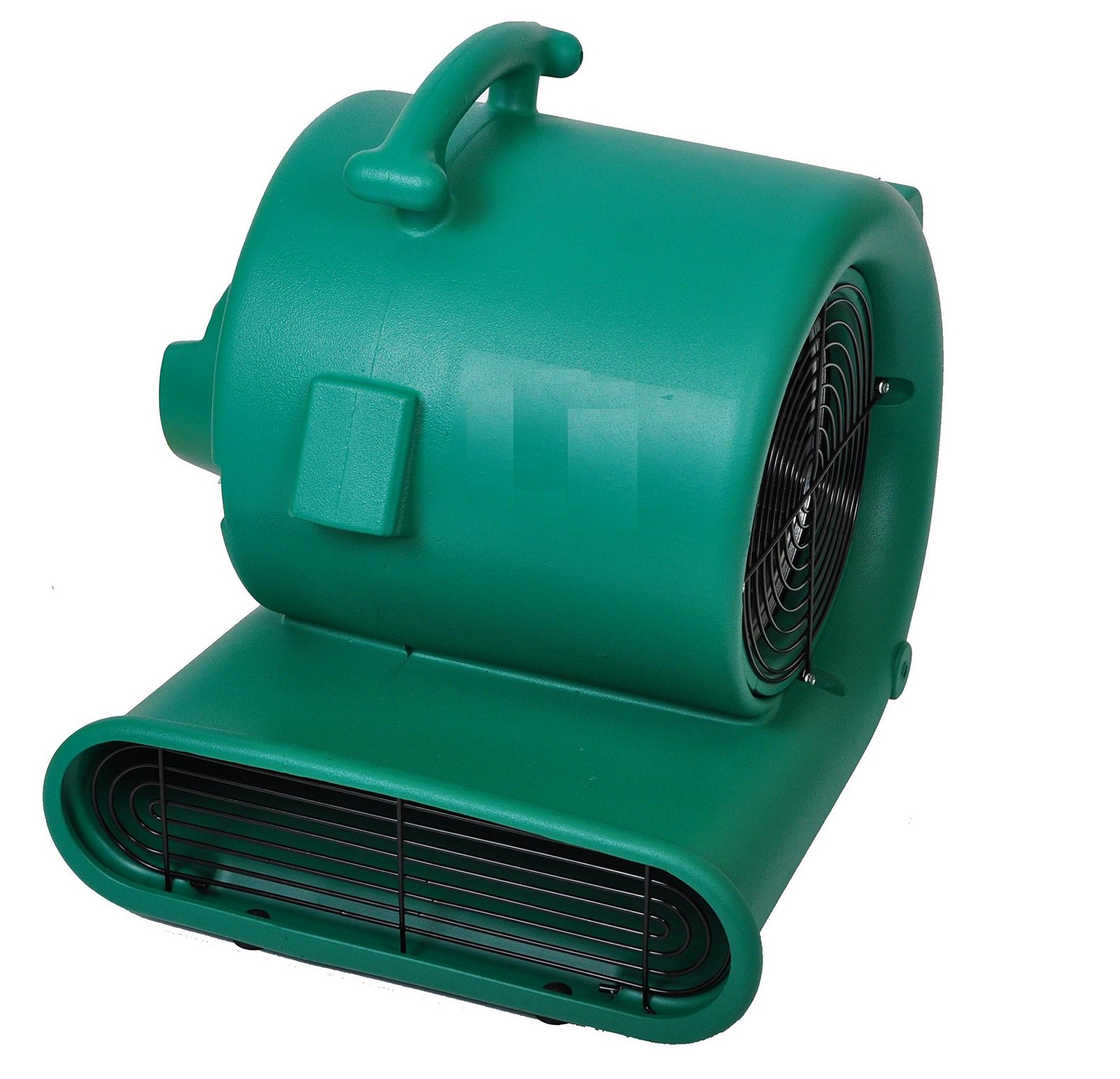
When water damage affects carpet, flooring, or a work area, moving air across wet surfaces can help support the drying process. The Bissell BigGreen Commercial Air Mover BGAM3000 is a portable air-moving unit intended for commercial drying and restoration tasks, so buyers should look beyond the product name and consider airflow, placement options, electrical requirements, durability, and safe operation. This guide reviews the model’s listed features and explains how an air mover fits into a broader drying plan, including the limits of airflow alone and the checks to make before purchase or use.
How Airflow Fits Into a Drying Plan
Drying is influenced by temperature, relative humidity, air movement, and the amount of moisture remaining in materials. An air mover increases circulation, but it cannot by itself prove that a carpet pad, wall cavity, or subfloor is dry. In restoration work, professionals use moisture meters and documented readings to assess progress. If the water source is contaminated or the affected materials are porous and heavily saturated, specialist advice may be needed.
Common Operating Mistakes
Do not block the intake with curtains, furniture, or stored supplies. Avoid running a unit where water can enter electrical components. Do not daisy-chain electrical equipment unless the manual and circuit capacity allow it. Keep cords away from walkways and protect them from doors, wheels, and sharp edges. A fan that sounds different, vibrates excessively, overheats, or gives off an unusual odor should be switched off and inspected by a qualified technician.
Storage and Transport
Before storage, disconnect the power, allow the unit to cool if necessary, and remove visible dust from accessible surfaces. Keep it dry and avoid placing heavy items on the cord. During transport, secure the unit so that it cannot shift or fall. Even a durable housing can be damaged if repeatedly dropped or struck.
People searching for this topic need a clear explanation that separates verified information from assumptions. This guide focuses on practical details, gives readers a way to check claims, and explains the main decisions to make before taking action.
Background and Context
Start with the core facts and the terminology used by reliable sources. Different providers, products, locations, and circumstances can change the answer, so readers should compare like with like. A headline or short listing rarely contains enough information to support a final decision.
Practical Considerations
Consider the intended use, the condition or requirements involved, the total cost, and the consequences of making the wrong choice. Record the details that matter, ask direct questions, and keep the relevant documentation. When the decision involves health, law, finance, or safety, confirm current rules with an appropriate professional or official source.
Common Questions and Mistakes
Do not rely on a single informal comment when the official documentation is available. Check the date of the information, confirm exact model or product identifiers, and distinguish a general statement from a rule that applies to a specific person or situation. If a detail cannot be verified, treat it as unknown rather than filling the gap with a guess.
Making an Informed Decision
A useful comparison has consistent criteria. Check the same specifications, prices, terms, dates, or requirements for each option. Consider ongoing costs and practical constraints as well as the immediate benefit. Keep enough flexibility to change course if new verified information becomes available.
Readers should use this guide as a starting point and consult the linked primary references for updates. Details can change after publication, particularly pricing, availability, product support, operating hours, travel schedules, and government guidance.
Understanding Airflow Ratings
CFM is a measure of the volume of air moved in one minute. It is useful for comparing air movers, but it does not by itself predict how quickly a specific carpet or room will dry. Actual drying depends on the moisture remaining in the material, room temperature, relative humidity, ventilation, airflow path, and whether a dehumidifier is operating. Furniture placement and partitions can also affect circulation. A published maximum rating should therefore be read as a product specification, not a guaranteed drying result.
Positioning the Unit for Different Jobs
For broad floor coverage, set the air stream to travel across the surface and avoid directing it straight into a wall at close range. For an edge or low-level area, use the angle that directs air toward the affected material without blocking the intake. Keep the unit stable and leave clearance around both openings. If several machines are used, position them so the airflow supports a deliberate circulation path rather than having units work against one another.
On carpet, extraction should remove as much water as possible before air movers are placed. If the underlay or subfloor is wet, surface airflow alone may not be enough. For upholstered furniture, curtains, or delicate materials, check the material manufacturer’s advice and consider whether direct airflow or professional drying is appropriate.
Electrical Planning on a Work Site
Commercial cleaning jobs may involve several machines operating at the same time. Before connecting equipment, assess the available circuit capacity and follow the manufacturer instructions for voltage, current, grounding, and extension-cord use. Avoid overloaded power strips and improvised connections. Keep connectors away from standing water and arrange cords so staff and occupants do not trip. A ground-fault circuit interrupter may be required or recommended in damp environments; follow applicable electrical codes and workplace rules.
Noise, Dust, and Occupant Comfort
High-velocity fans can produce noticeable noise and may move loose dust or debris. Plan work when the space is unoccupied where possible, protect sensitive equipment, and remove loose debris before starting. Where a building is occupied, communicate which rooms are being dried and keep access paths clear. If the airflow causes paper, lightweight objects, or dust to move around, reposition the unit or reduce the speed.
How to Confirm the Model and Condition
Model identification matters because different air movers can look similar. Check the actual product label for BGAM3000, inspect the electrical rating plate, and compare the design with the current manufacturer’s document. If purchasing used equipment, test each speed and position, listen for bearing noise, check for excessive vibration, and inspect the grille and housing. Confirm that the cord has no cuts, exposed conductor, or damaged strain relief. A seller should disclose repair history and missing components.
Maintenance Record
Commercial users can keep a simple maintenance log with the asset number, date of inspection, cleaning performed, observed damage, and the person who checked the equipment. This makes recurring problems easier to notice. Remove dust from accessible surfaces only as instructed and do not open electrical components unless qualified. If a unit overheats, emits an unusual odor, trips a breaker, or produces a grinding sound, stop using it and arrange inspection.
Questions Buyers Commonly Ask
Does higher CFM always mean faster drying?
No. Airflow is only one factor. Moisture extraction, humidity, temperature, material type, and air circulation all affect drying time.
Can an air mover dry water-damaged walls?
It may support a controlled restoration plan, but wall cavities and insulation can retain moisture. Use suitable moisture measurement and qualified restoration advice rather than relying on surface airflow alone.
Can the unit run unattended?
Follow the product manual and workplace policy. Keep the unit in a safe location, protect the cord, and ensure its intake and outlet remain unobstructed. Never leave damaged electrical equipment operating.
Should buyers trust a retailer’s specification table?
Use it as a reference, then compare it against the product label and current manufacturer documentation. Where the values conflict, ask the manufacturer or seller for written clarification before purchasing.
Choosing the Right Number of Air Movers
The number of units depends on the size and shape of the affected area, the amount of water remaining, the material, room conditions, and the drying plan. A larger space may need more than one unit to create consistent circulation, but simply adding fans does not guarantee an even airflow path. Professional restoration guidance generally combines extraction, air movement, humidity control, temperature management, and moisture monitoring. The equipment layout should be adjusted when measurement shows that materials are not drying as expected.
Understanding the Difference Between Drying and Ventilation
An air mover circulates air around a space or across a surface. Ventilation replaces indoor air with outdoor air, where suitable. Dehumidification reduces moisture in the air. These functions are related but not interchangeable. In a humid environment, moving moist air over a damp surface may not produce the same result as using controlled dehumidification. The appropriate combination depends on the environment and the materials involved.
Protecting Furniture and Property
Before placing equipment, check that the floor can support it and that the airflow will not move lightweight items. Protect cables from water, sharp edges, doors, and wheels. Keep the air stream away from loose documents, dust-sensitive electronics, and exposed insulation. If the equipment is being used in a room with occupants, explain the noise and access restrictions. Keep children and pets away from operating equipment and cords.
When to Call a Restoration Professional
Call a qualified restoration provider when water damage affects multiple rooms, wall cavities, insulation, electrical systems, or potentially contaminated materials. Floodwater, sewage, and water from unknown sources may introduce biological or chemical hazards. A consumer air mover is not a substitute for contamination assessment, protective equipment, or building-drying procedures. Follow local health and safety guidance and avoid disturbing materials that may be hazardous.
Questions to Ask the Seller
Ask whether the unit is new, refurbished, or used; whether the listed airflow is measured under a stated test condition; and whether the seller can provide a current specification sheet. Confirm the warranty length, return window, shipping cost, and service process. For a used product, ask for a video showing it operating at each speed. A close-up of the electrical label and the cord can help verify condition before the unit is shipped.
Frequently Asked Questions
What is the Bissell BigGreen BGAM3000 used for?
It is a commercial air mover designed to circulate air and support drying after cleaning or minor water incidents. It does not remove moisture from the air like a dehumidifier.
Can the BGAM3000 be used to dry carpets?
It can help move air across damp carpet and nearby surfaces. Follow flooring care guidance and address the source of moisture first.
How many positions does this air mover offer?
Product information describes multiple drying positions. Confirm the exact positions and operating specifications in the manual for the unit being purchased.
Can I stack the unit during storage?
Check the manufacturer’s instructions before stacking. Do not block airflow, damage the cord, or create an unstable stack.
Is an air mover enough after a flood?
No. Floodwater or extensive water damage may involve contamination and hidden moisture. A qualified restoration professional should assess affected materials and the building.
Conclusion
The Bissell BigGreen BGAM3000 may suit commercial cleaning and targeted drying tasks where portable air circulation is needed. Before buying, verify the model number, specification sheet, condition, warranty, electrical requirements, and seller support. Use it as part of an appropriate drying plan rather than as a substitute for professional restoration when damage is extensive.
